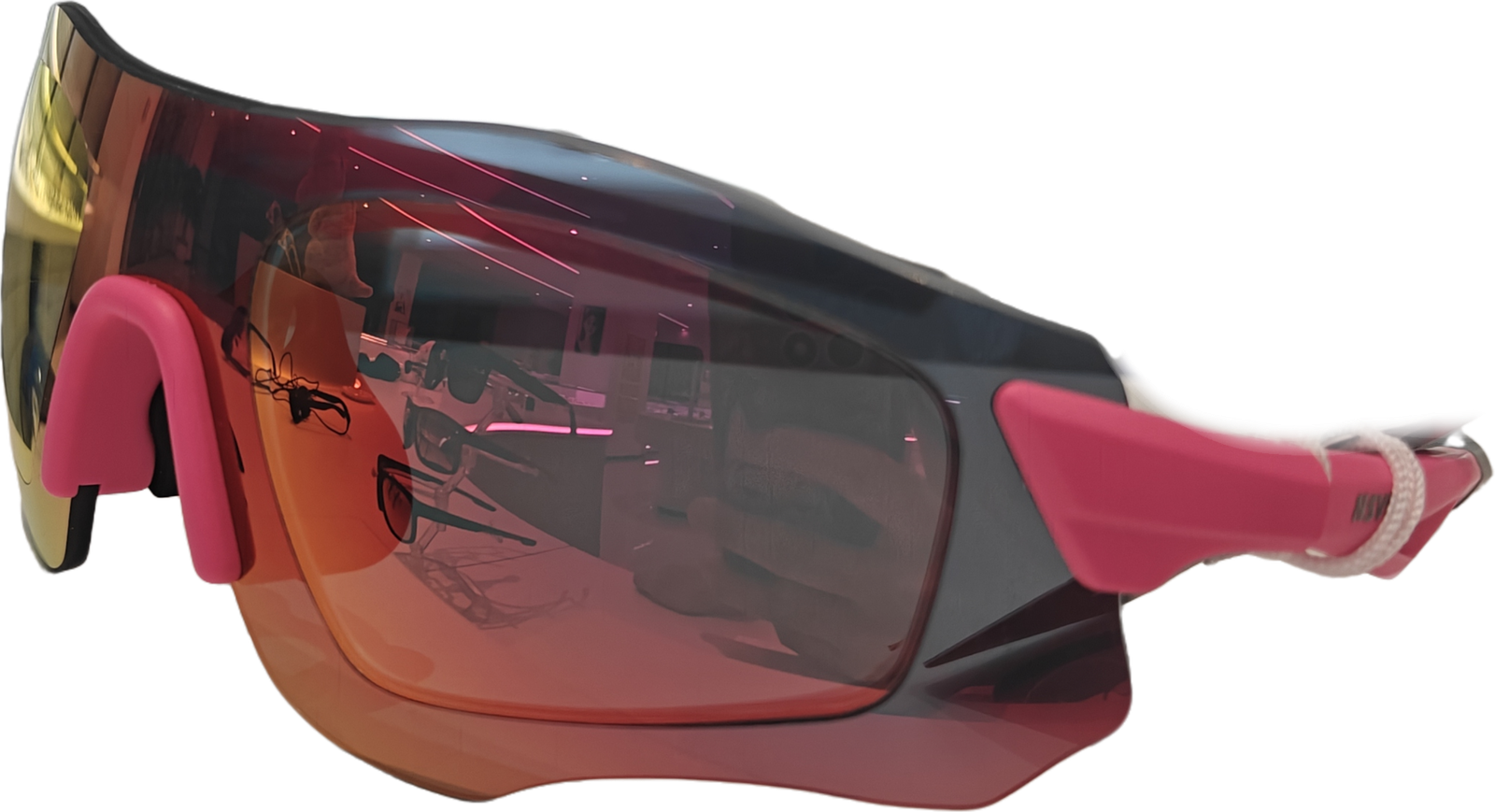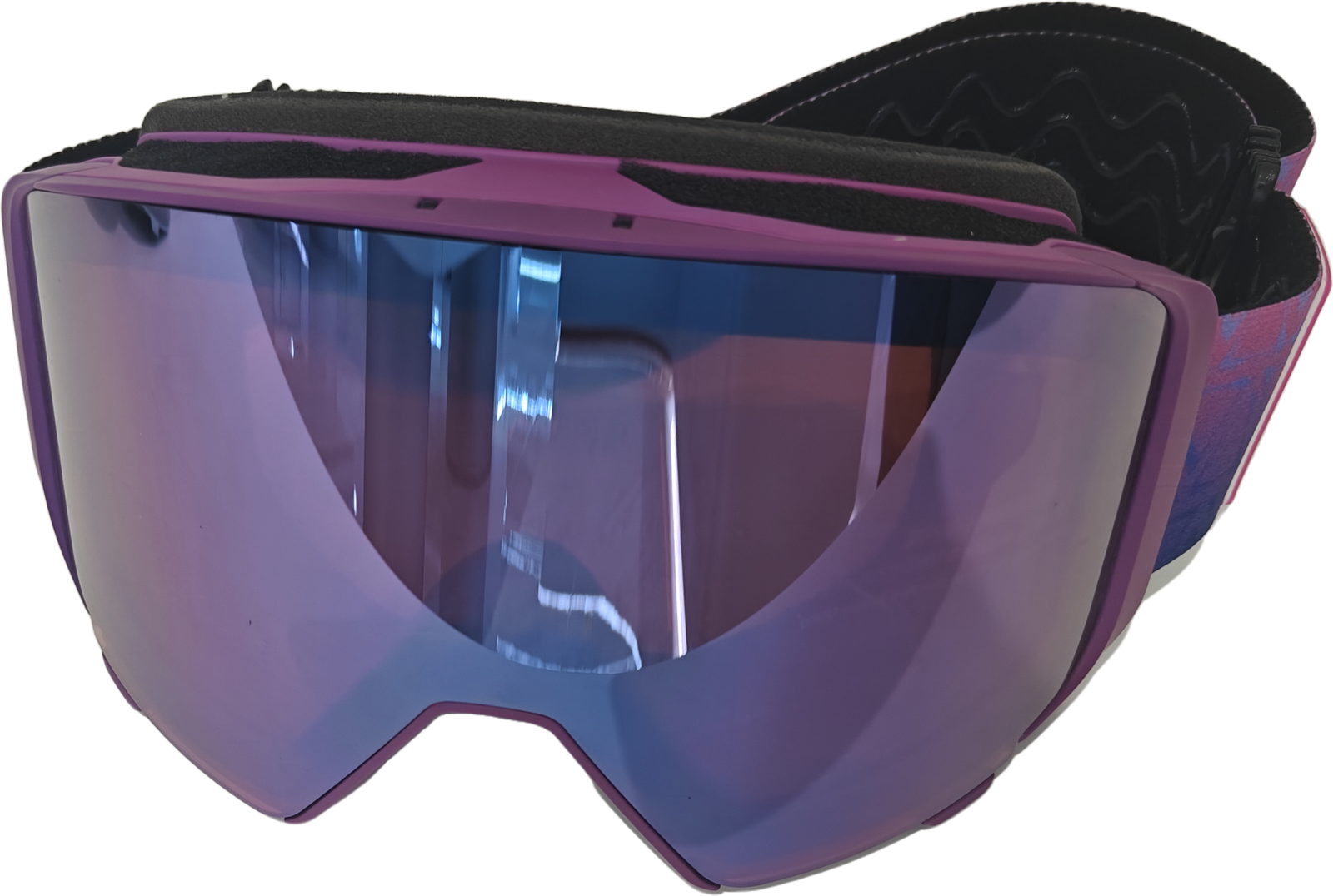
Choosing between spherical and cylindrical goggle lenses starts with the intended goggle housing. Kexin Optics lists both optical surface styles for outdoor and sports goggles, with prescription options described for myopia and astigmatism. For a buyer developing a goggle, geometry, contour and viewing requirements should be discussed together before deciding on tint or appearance.
Use the frame's lens requirements to guide the enquiry. A preferred style name does not establish that the lens will fit an existing housing. Share a drawing or physical frame sample, identify the intended application and ask for the corresponding configuration to be reviewed.
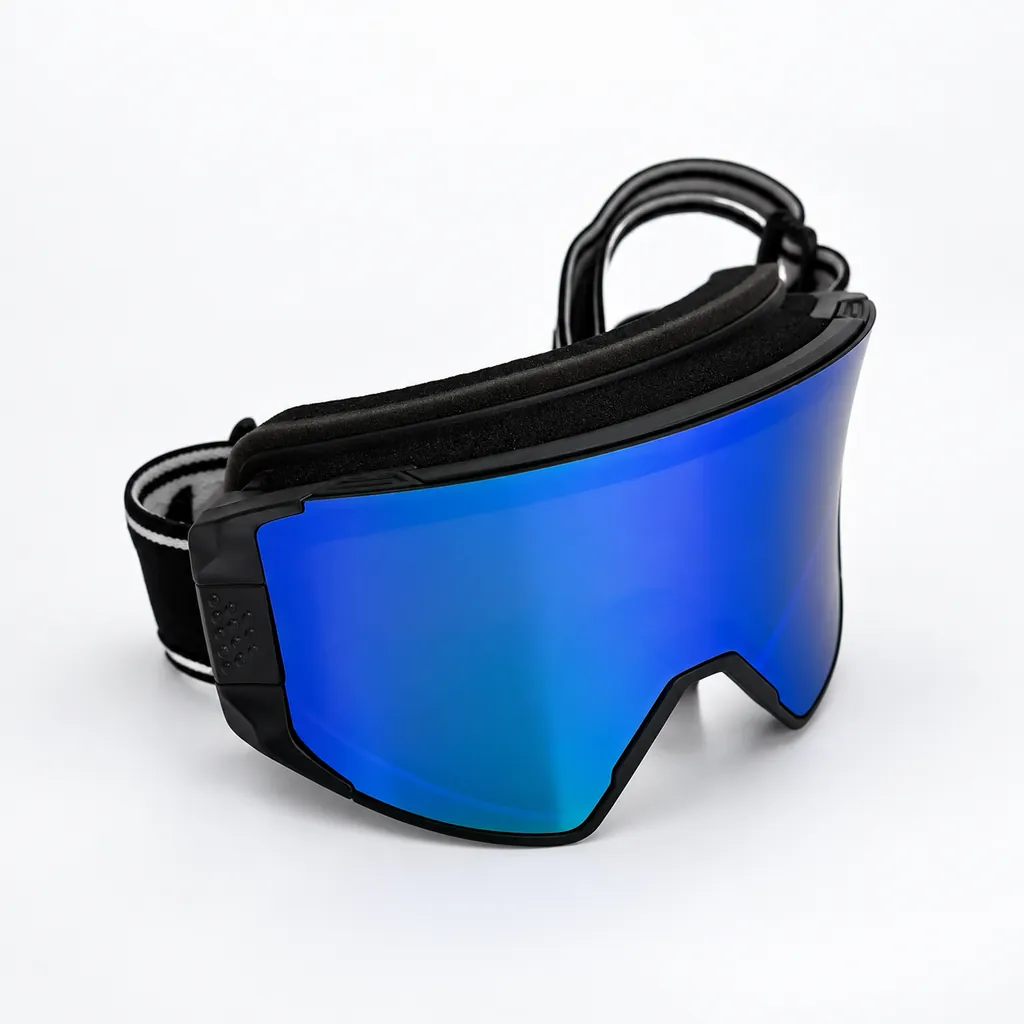
Understand the two listed goggle lens directions
The Spherical Goggle Lenses product describes a panoramic spherical optical surface, a wide viewing angle and uniform imaging. Its listed applications include outdoor use, cycling and recreational skiing. This provides a starting point for projects seeking that surface style, with the final configuration still dependent on the intended frame.
The Cylindrical Goggle Lenses product describes a dedicated cylindrical optical curvature, expanded vertical viewing and stable horizontal imaging. It lists outdoor goggles, cycling goggles and ski goggles among its applications. It is a distinct product direction rather than an interchangeable label for the spherical option.
The public descriptions do not provide a numerical side-by-side comparison for every lens size, curvature or prescription. They should not be read as a guarantee of zero distortion in every assembled goggle. Ask about the actual configuration and review samples using the intended housing and viewing conditions.
Confirm the housing, contour and mounting details
Start the fit discussion with the existing lens drawing or frame sample. Identify the outline, curvature requirement and mounting arrangement. If the project is a replacement lens for a defined goggle, make that clear; if the housing is still being developed, explain which dimensions or interfaces are still open.
Keep the optical surface style separate from the edge contour. A sample can demonstrate a spherical or cylindrical appearance without being the final cut shape for the housing. Confirm which details the supplied sample represents and which details require another stage of review.
State who will perform any remaining lens processing or assembly. A clear division of work helps the enquiry identify the appropriate supply form and avoids treating a display sample as a finished component. Confirm the available processing route for the selected product rather than assuming both listings use the same arrangement.
Add prescription and light-condition requirements
Both listings describe custom prescription powers for myopia and astigmatism. Provide the prescription requirements with the frame details. Ask what configuration is available for that combination, especially when the project uses a close-fitting or highly curved housing. A non-prescription sample is not confirmation of the intended corrective configuration.
The products also describe filtering outdoor light and glare for changing outdoor conditions. Explain the environment the goggle is intended for: cycling, recreational snow use or another outdoor activity within the listed product scope. State whether the main concern is bright light, backlighting or a transition between different conditions.
Physical shielding from wind, dust and small outdoor irritants is discussed in the listings. Assess that requirement with the assembled frame, since the housing and fit are part of the application. Confirm any project-specific performance and documentation requirements with the selected lens and housing.
Assess a sample against a defined brief
- Identify spherical or cylindrical as the initial lens direction.
- Supply the goggle drawing, housing or existing lens sample.
- State prescription, contour and mounting requirements.
- Describe intended outdoor light conditions and tint preferences.
- List sample quantity, review criteria and expected order quantity.
Review fit and the view through the assembled goggle, and record concerns against the sample identity. Compare the two options within the Sports Lenses collection, then send Kexin Optics your goggle lens requirements. A frame-specific sample discussion provides a practical basis for choosing the surface style and confirming the remaining details.