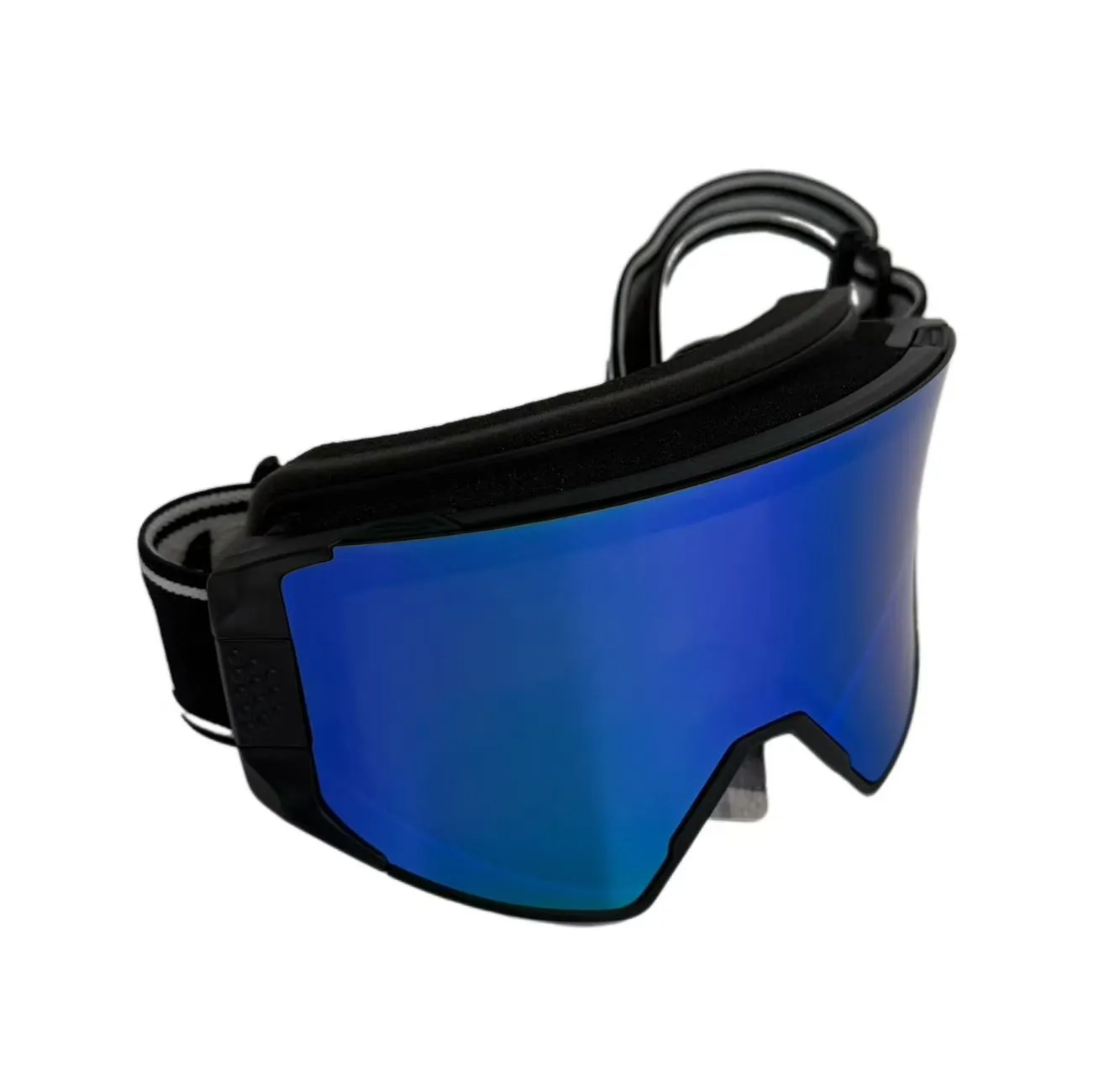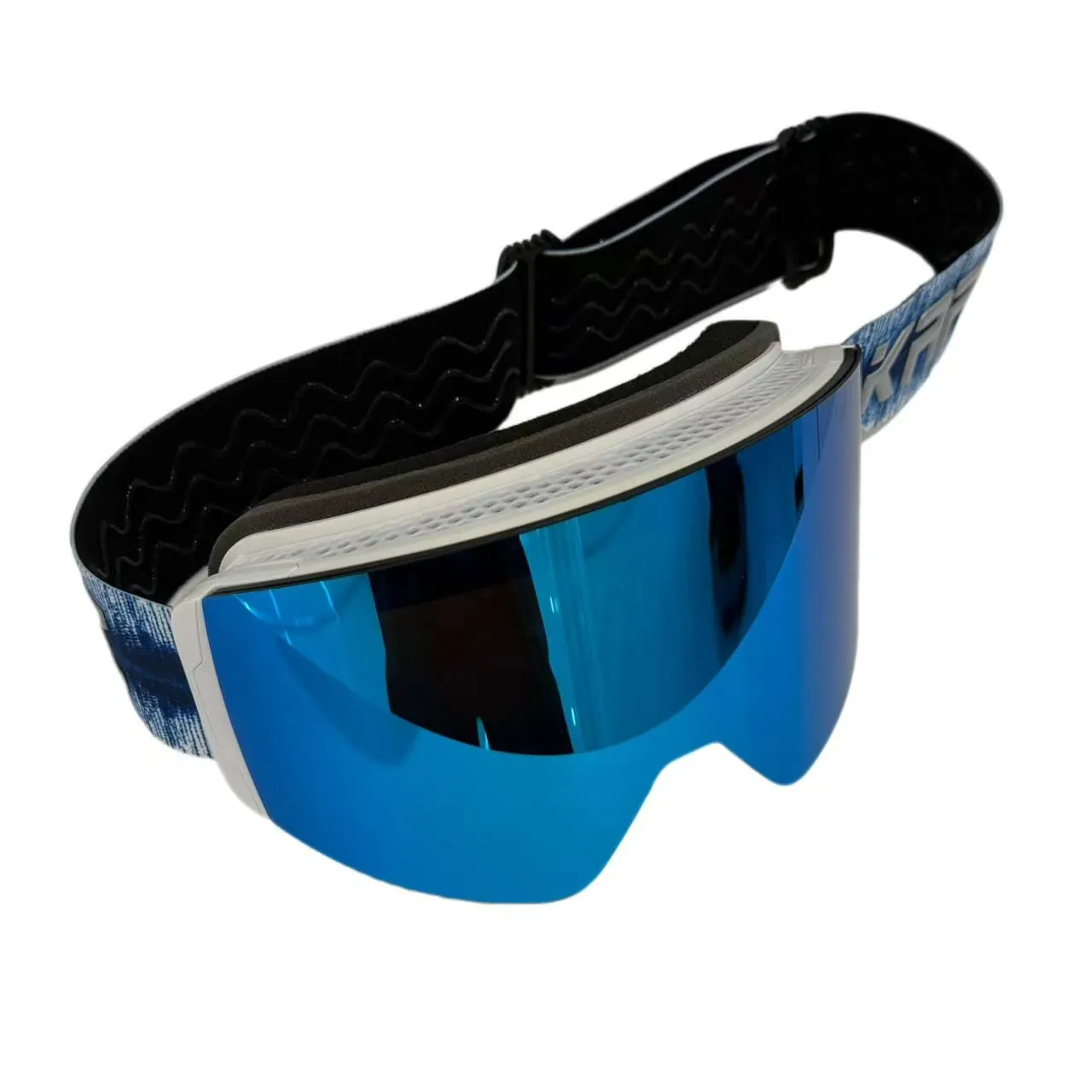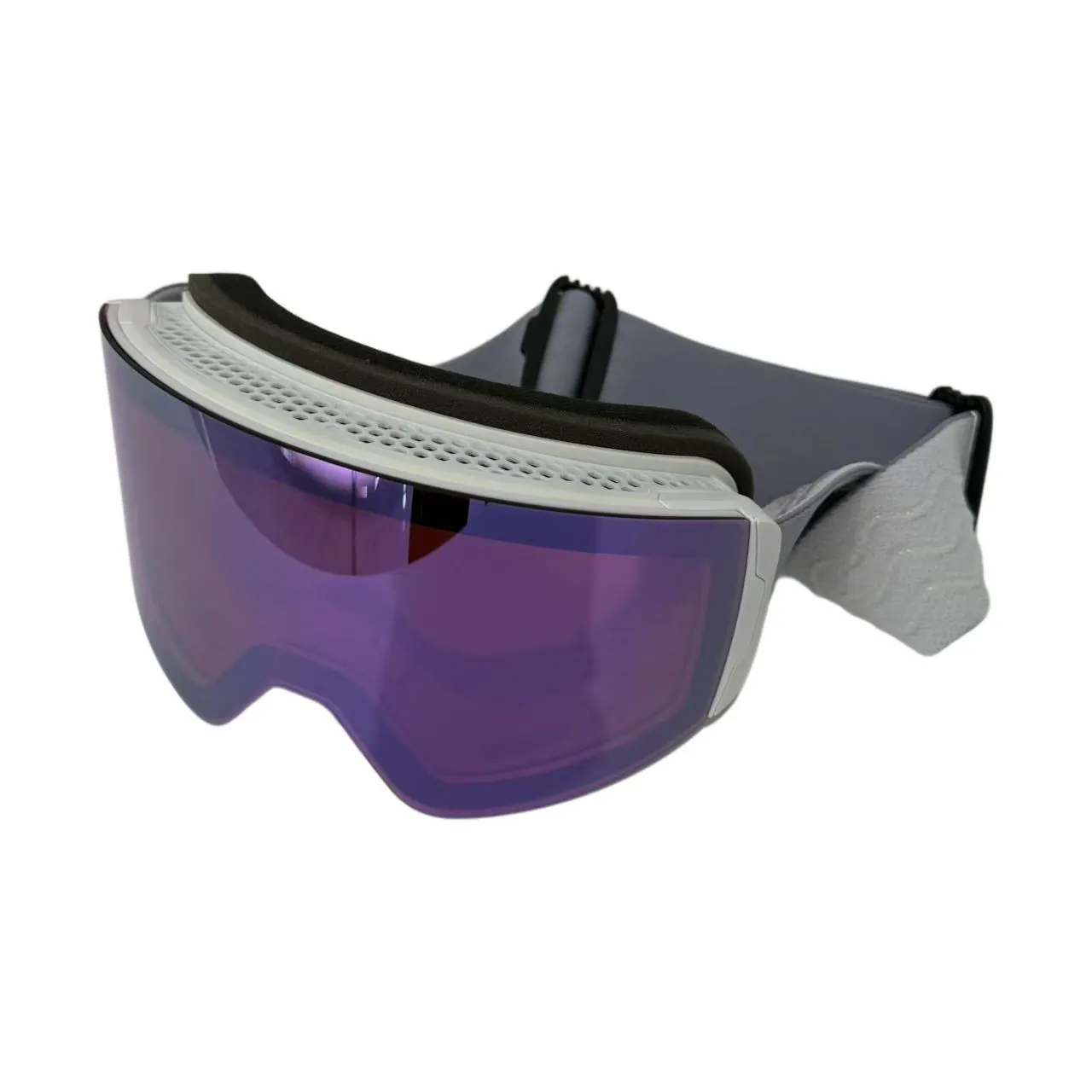
Ski goggle lens selection combines the housing, lens shape, light conditions and surface requirements. Kexin Optics lists ski lenses typically using a PC substrate, supplied as finished lenses or semi-finished blanks in spherical and cylindrical styles. A buyer should define the intended goggle and supply form first, then discuss tint and functional options for that configuration.
The ski product range lists anti-fog treatment, dedicated tints and optional polarization, photochromic treatment and REVO mirror finishes. These are specification directions to discuss separately. A visible mirror finish does not tell a buyer whether a sample also includes a polarizing layer, photochromic response or the intended inner-surface treatment.
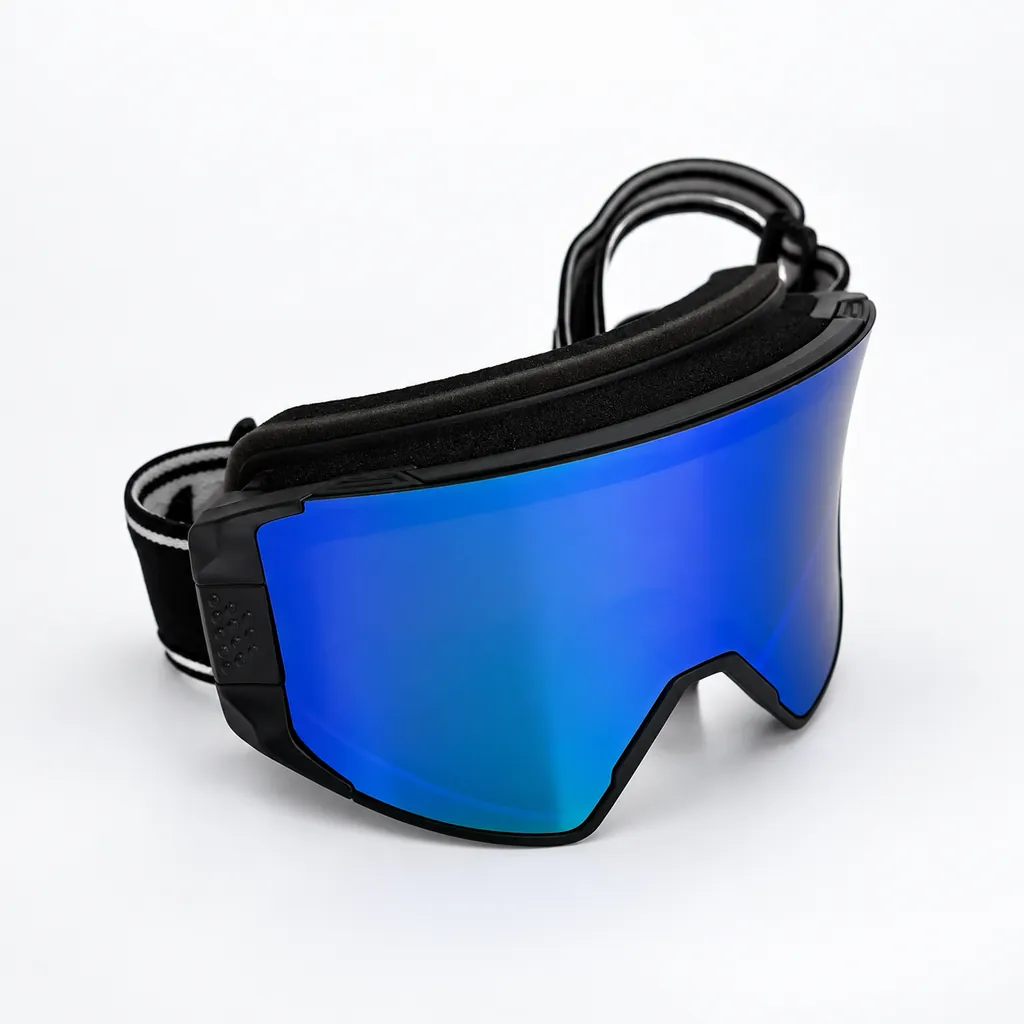
Start with the goggle housing and supply form
The Ski Goggle Lenses product includes highly curved spherical and cylindrical styles. Semi-finished blanks support contour cutting for different goggle housings. Share the frame or lens drawing so the enquiry can address the actual outline, curvature and mounting requirements.
State whether the project needs a finished component or a blank for further processing. Identify which work your team or another party will perform. The supply form matters because a sample of a lens blank does not necessarily represent the final edge contour or mounting detail in the assembled goggle.
Confirm the sample's purpose before review. A sample may demonstrate a tint, surface appearance or general shape. Record which of those details it represents, and identify what remains to be checked against the final housing. This keeps appearance approval from being mistaken for complete fit approval.
Define tint and light-condition requirements
The ski listing describes high-contrast dedicated tints for snow-sport environments. It also lists optional polarization for reflected snow glare and photochromic treatment that adjusts darkness with changing ambient light. Explain the conditions the proposed eyewear is intended to cover, and ask which configuration is available for those conditions.
A fixed tint and a photochromic treatment represent different buying directions. If the project calls for photochromic behaviour, request the available information for the selected lens rather than assuming a particular darkening or fading time. The public listing does not provide a response curve or a single transmission range for all ski lens configurations.
The product description lists UV400 protection. Keep any project-specific optical measurements or documentation requirements explicit in the enquiry. The catalogue statement is not a substitute for the specification information needed for a particular lens configuration or finished eyewear project.
Discuss anti-fog and exterior finishes separately
An anti-fog coating on the inner surface is described in the ski lens listing. Ask about the treatment proposed for the selected component and how it should be handled during further processing, assembly and cleaning. Put those questions alongside the supply-form discussion so the agreed component is reviewed consistently.
REVO mirror coatings, hard coatings and water- and oil-repellent coatings are listed as additional options. Specify the desired exterior appearance separately from the inner anti-fog requirement. Confirm which combination is available for the proposed lens, and identify the sample that represents that combination.
The listing describes a tough, lightweight PC substrate for ski goggles. Review the proposed lens in its assembled housing and identify any project-specific documentation needs. If a project has a required test or documentation standard, include it in the enquiry for a configuration-specific discussion.
Use a clear ski lens sample checklist
- Identify the goggle housing and spherical or cylindrical direction.
- State finished-lens or semi-finished-blank requirements.
- Describe the intended tint and light conditions.
- List anti-fog, polarization, photochromic and mirror choices separately.
- Provide sample quantity, review requirements and order quantity.
Review the sample in the intended housing and keep notes on fit, viewing appearance and the agreed finish. Use the Sports Lenses collection to find the ski range, then contact Kexin Optics with the sample brief. A documented combination of shape, tint and surface options gives the buying team a clearer basis for discussing the final component.